

Previously, we have learned that one of the mechanisms used by AI developers to collect data for training AI models is data scraping. Although this mechanism can be very valuable to data acquisition for training complex AI models such as large language models such as GPT, they can also bring issues regarding intellectual property.
Let us take a closer look at this topic.
Many creators such as writers, artists, photographers, and journalists, publish their work online, making them the main group affected by data scraping. Their content is often collected and used in AI training datasets without their permission, and in some places this may count as copyright infringement.
Creators usually cannot tell whether their work has been scraped because AI developers provide very little transparency. A Stanford report found that only 1 out of 14 major AI developers revealed information about who created their data, whether it was copyrighted, or what licenses applied. This lack of openness makes it hard for developers to verify legal compliance and for creators to understand how their IP is being used or whether they can seek compensation.
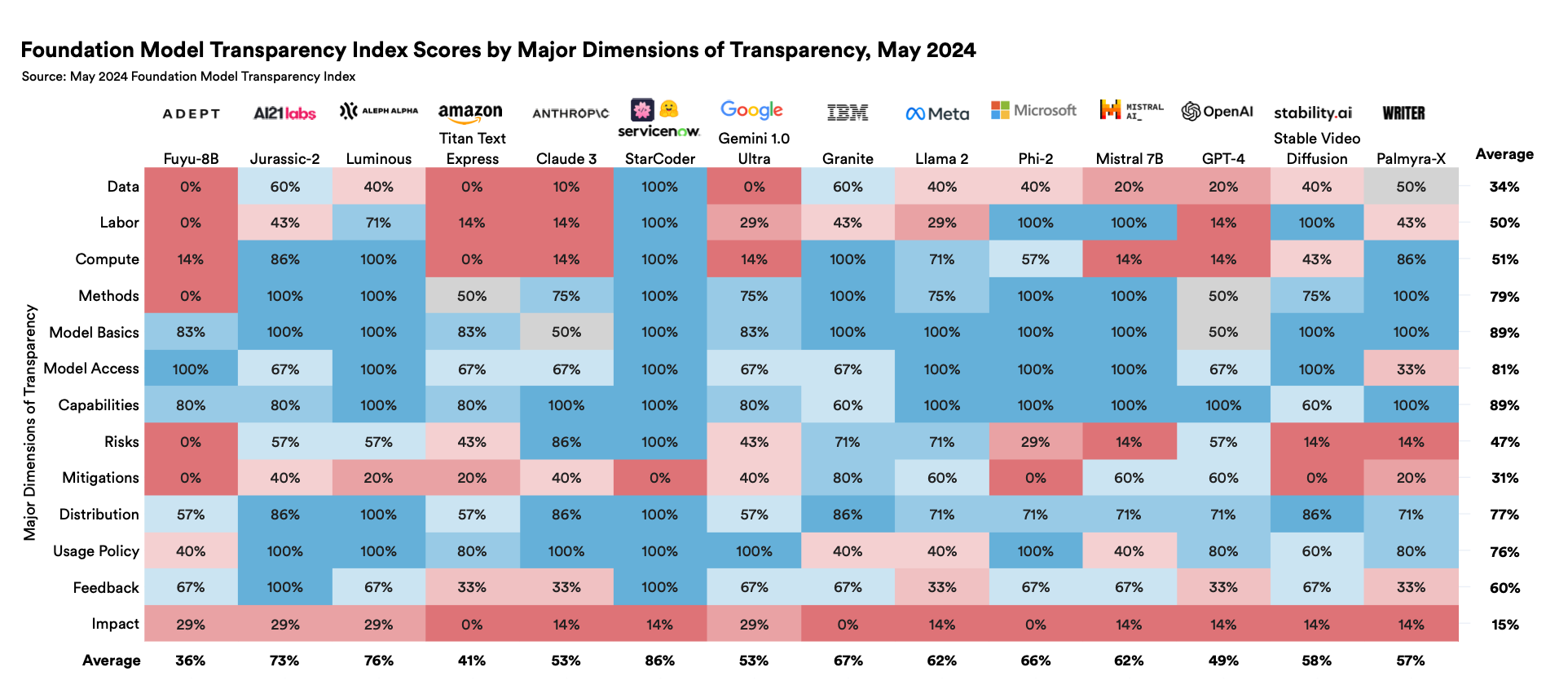
Bommassani, R., Klyman, K., Kapoor, S., Longpre, S., Xiong, B., Maslej, N., & Liang, P. (2024). The Foundation Model Transparency Index v1.1. Retrieved from https://crfm.stanford.edu/fmti/paper.pdf
This could be highly problematic since some reports point out that AI-generated outputs can sometimes resemble the unique styles, voices, or likenesses of artists, writers, and other individuals, raising broader ethical and economic concerns.
One example of this is the tension between OpenAI and the Japanese content creators CODA*. The problem arose when OpenAI's new generative AI model, Sora 2, produced results that closely resembled the creative works of CODA members. On October 28, 2025, CODA published online that they had requested OpenAI not to use their members' content for machine learning without their consent. According to them, Japanese copyright law requires the prior consent of copyright holders before their works can be used.
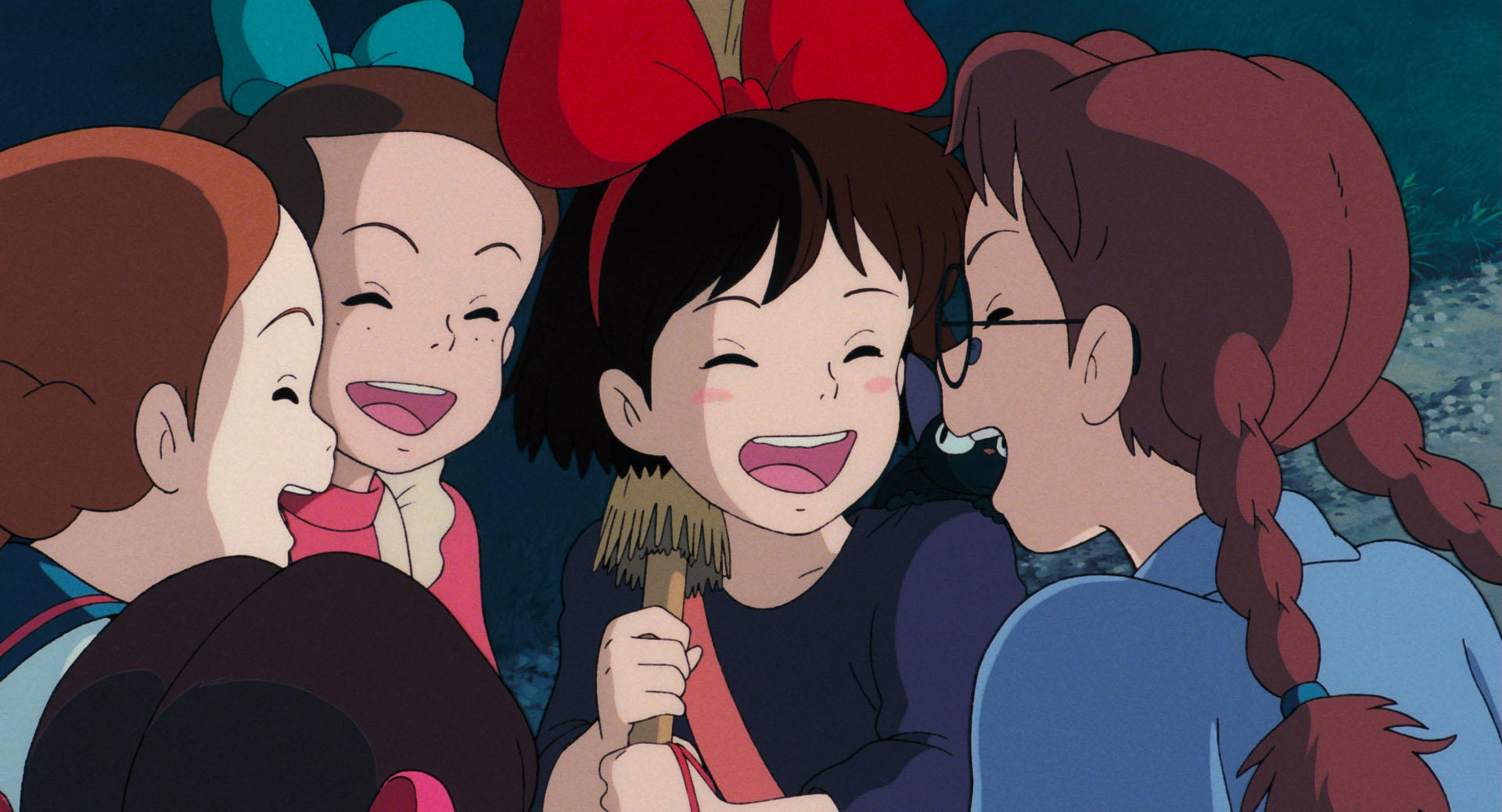
Studio Ghibli. (n.d.). 魔女の宅急便 [Still image from the film Kiki’s Delivery Service]. STUDIO GHIBLI. https://www.ghibli.jp/works/majo/#&gid=1&pid=8
Therefore, many artists have voiced objections to AI models generating content in a "style" similar to their work, which may not directly copy the original but could nonetheless affect their livelihoods.
For example, more than 200 musicians, including Stevie Wonder, Billie Eilish, and the estates of Bob Marley and Frank Sinatra, signed an open letter last year, voicing their concern about AI's impact on the music industry.
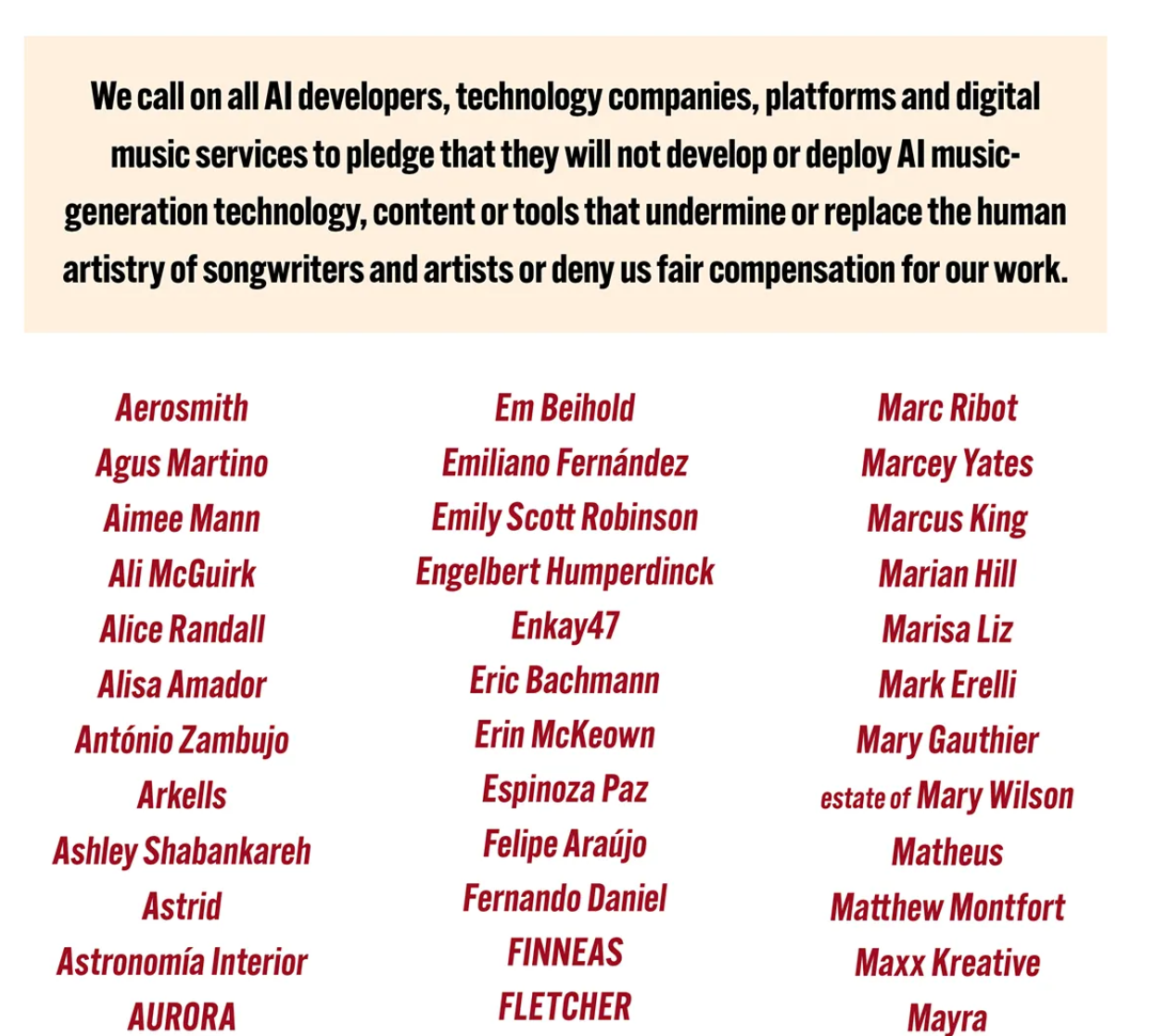
Artist Rights Alliance. (2024, April 1). 200+ artists urge tech platforms: Stop devaluing music. Medium. https://artistrightsnow.medium.com/200-artists-urge-tech-platforms-stop-devaluing-music-559fb109bbac
To address these concerns, there are growing calls for policy measures.
Let's explore this in the next page!